RIKEN team runs five silicon spin qubits in parallel on a shared microwave line, reaching >99.99% single‑qubit fidelity and ~99.9% with all five, by correcting

RIKEN team runs five silicon spin qubits in parallel on a shared microwave line, reaching >99.99% single‑qubit fidelity and ~99.9% with all five, by correcting
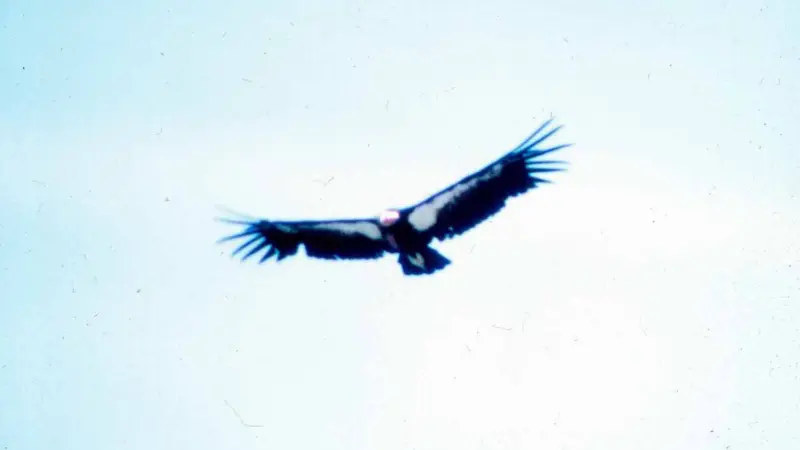
From 0 wild birds in 1987 to 300+ returned today, the California condor’s comeback collides with a $200B target, a $1.3T gap, and who gets to decide.
Phase III intismeran trial reported a 42% relative reduction in melanoma recurrence or death after surgery with immunotherapy; 1,137 patients, ~25 months’ follo
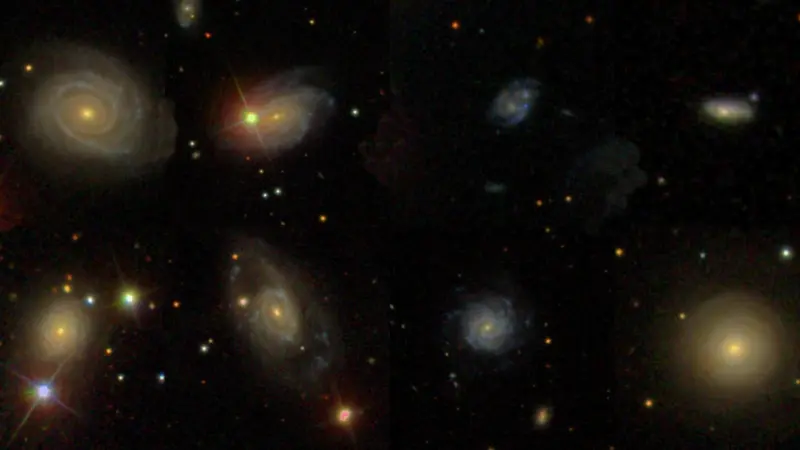
An international team unified 2,884 Type Ia supernovae from 3 decades, adding to independent hints from DES 2024 that dark energy may change over time.

During 2020–22, the Upper Colorado Basin lost 4.2 cubic miles of groundwater—almost twice the Lower’s 2.3. Since 2004, the basin is down 14 cubic miles.
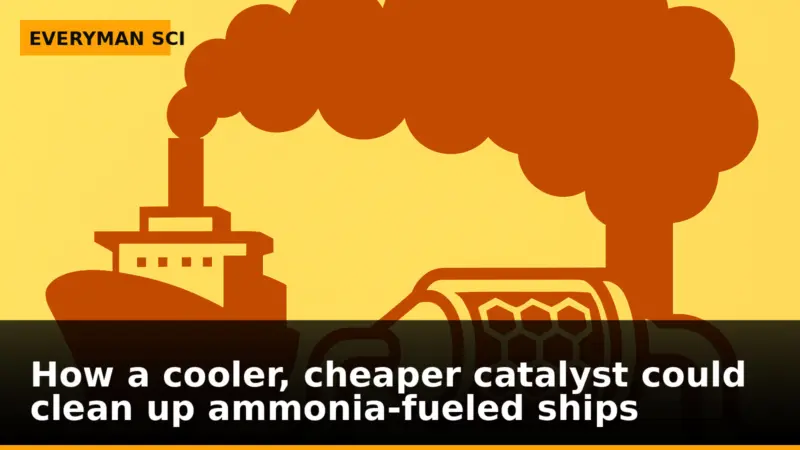
A KIER team reports catalysts for ammonia-fueled ship exhaust that hit ~99% removal, run at 350°C, and cost at least 80% less than noble-metal options.
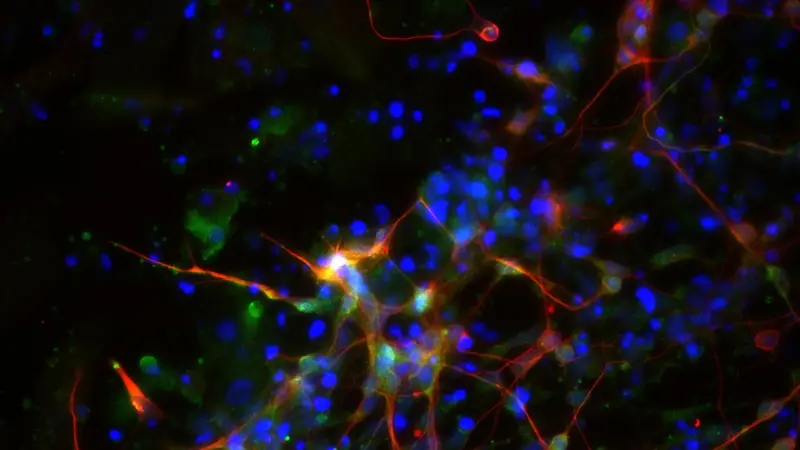
UQ’s NASTIC method offers real-time, single-molecule views of protein movement and clustering in living neurons, published in Nature Protocols.
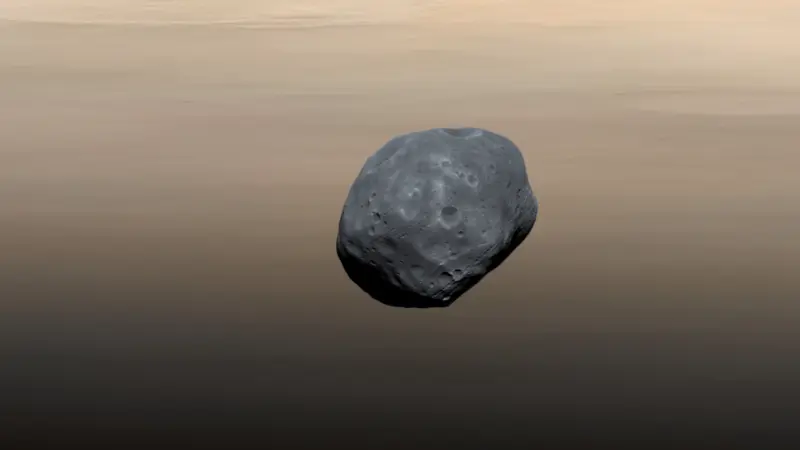
JAXA’s MMX launches Oct 20, 2026 to land on Phobos twice, collect at least 10 g, deploy the 25‑kg Idefix rover, and return samples to Earth in 2031.
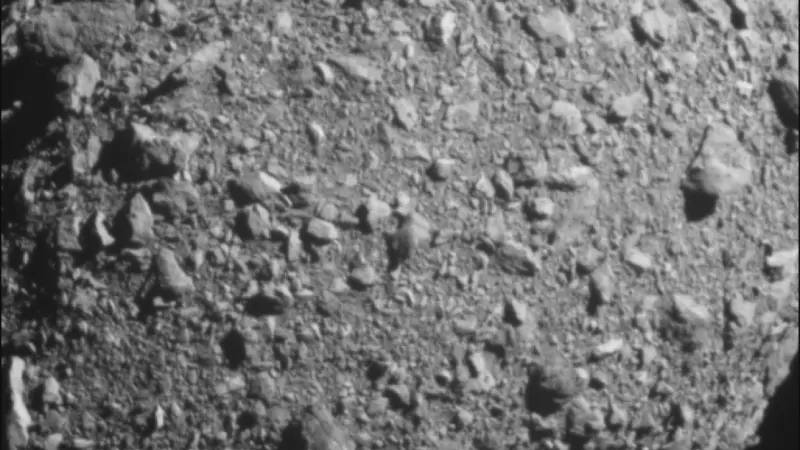
LLNL’s 3D Spheral simulations of a nuclear standoff show ~98% damage and ~97% of mass above escape speed, but 59 days of compute covered only 145 ms.

Sprayed nanolayer increases contact coverage in protonic ceramic electrochemical cells, cutting interfacial resistance and improving stability.