Brazil’s Plan to Dredge the Amazon: A Desperate Move with Ecological Consequences?
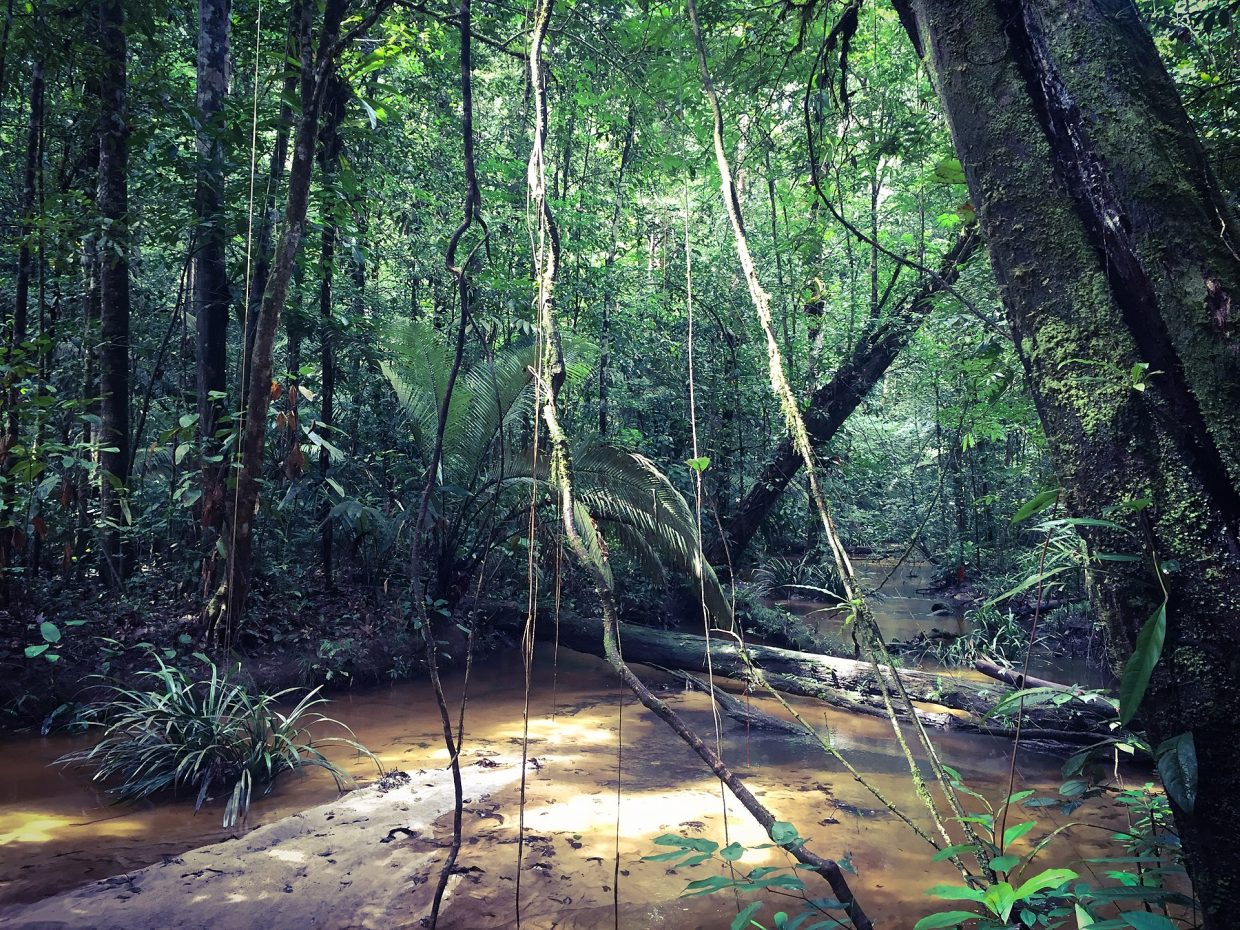
Guiana Amazonian Park in French Guiana by Melanie Dinane

The Amazon, often referred to as the “lungs of the planet,” is not only the world’s largest river by volume but also a crucial lifeline for millions of people and countless species. However, this mighty waterway is now shrinking, and the implications are severe. Due to record-low water levels and a devastating drought, Brazil is … Read more

Plastic Overload: Identifying the Top 10 Global Waste Producers

The growing issue of plastic waste pollution is having a severe impact on our environment, leading to annual generation of plastic waste in landfills, oceans, and natural areas. Urgent global action is needed to address this problem. According to UN Environment Programme research (UNEP), the amount of plastic waste generated is expected to lead to … Read more

Bears and Brainpower: A Closer Look at Their Cognitive Skills

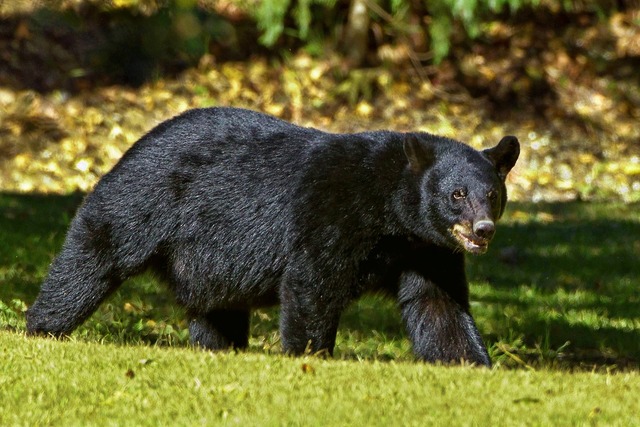
Bears, known for their impressive abilities, possess intelligence that is now being recognized. A black bear’s encounter with a wildlife camera in Boulder, Colorado resulted in over 400 viral selfies. This incident raises the question of why this particular bear was intrigued by the camera when most animals ignore them. Research suggests that bears, like … Read more

Is Earth Running Out of Freshwater Resources?

How much fresh water does our planet have left? This crucial resource is in limited supply, with only 1% of the world’s water accessible for human consumption. Unfortunately, population growth and pollution are exacerbating water degradation in developing countries, posing threats to fisheries, agriculture, and public health. Additionally, climate change is intensifying droughts, further compounding … Read more

Bhutan’s Snow Leopards: A Growing Population Amid Challenges

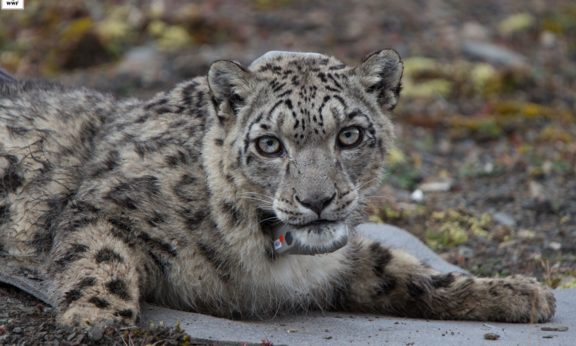
In a significant development, the National Snow Leopard Survey 2022-2023, supported by the Bhutan For Life project and WWF-Bhutan, has confirmed the presence of 134 snow leopards in Bhutan. This marks a 39.5% increase from the country’s initial survey in 2016, which recorded 96 individuals. Surveying the Snow Leopard Habitat Covering over 9,000 square kilometers … Read more

The Science of Earthquake Origins: Understanding the Causes

Earthquakes occur when there is a sudden movement along faults within the Earth. This movement releases stored-up energy in the form of seismic waves, which cause the ground surface to shake. Fault movement is typically a response to long-term deformation and the buildup of stress. Seismic waves from large earthquakes provide valuable information about the … Read more

900,000 Years Back: Human Ancestors on the Brink of Extinction

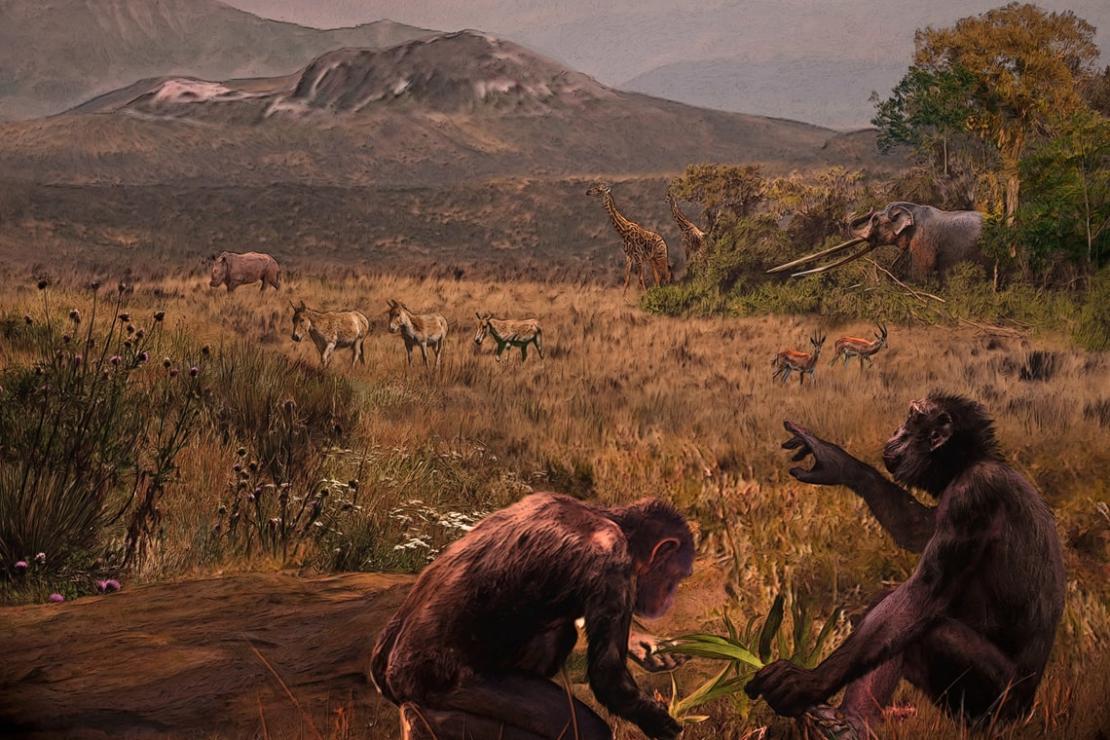
A new study suggests that human ancestors came perilously close to extinction almost a million years ago. Genomic data from 3,154 modern humans reveals that the population decreased from around 100,000 to just 1,280 breeding individuals approximately 900,000 years ago. This astonishing decline of 98.7 percent lasted for 117,000 years and posed a significant threat … Read more

What Drives Insects’ Fascination with Artificial Light at Night?

In the tranquility of a warm summer night, one finds themselves captivated by the enchanting harmony of nature. Beneath a porch light, a silent spectacle unfolds, as tiny dancers flit and dart around the luminous source, captivating observers with their relentless orbits. These intriguing creatures, our familiar nocturnal companions, raise a fundamental question: What is … Read more

Debris Unveils Grim Fate of OceanGate’s ‘Titan’ Submersible Passengers

In a devastating turn of events, the 22-foot submersible Titan has gone missing while on an exploration mission at the site of the Titanic wreckage. With five people aboard and their oxygen supply running low, a frantic search of the vast seafloor, equivalent to the size of Massachusetts, was launched by authorities. Utilizing advanced sonar … Read more

Lucy: The Bipedal Wonder of Human Evolution

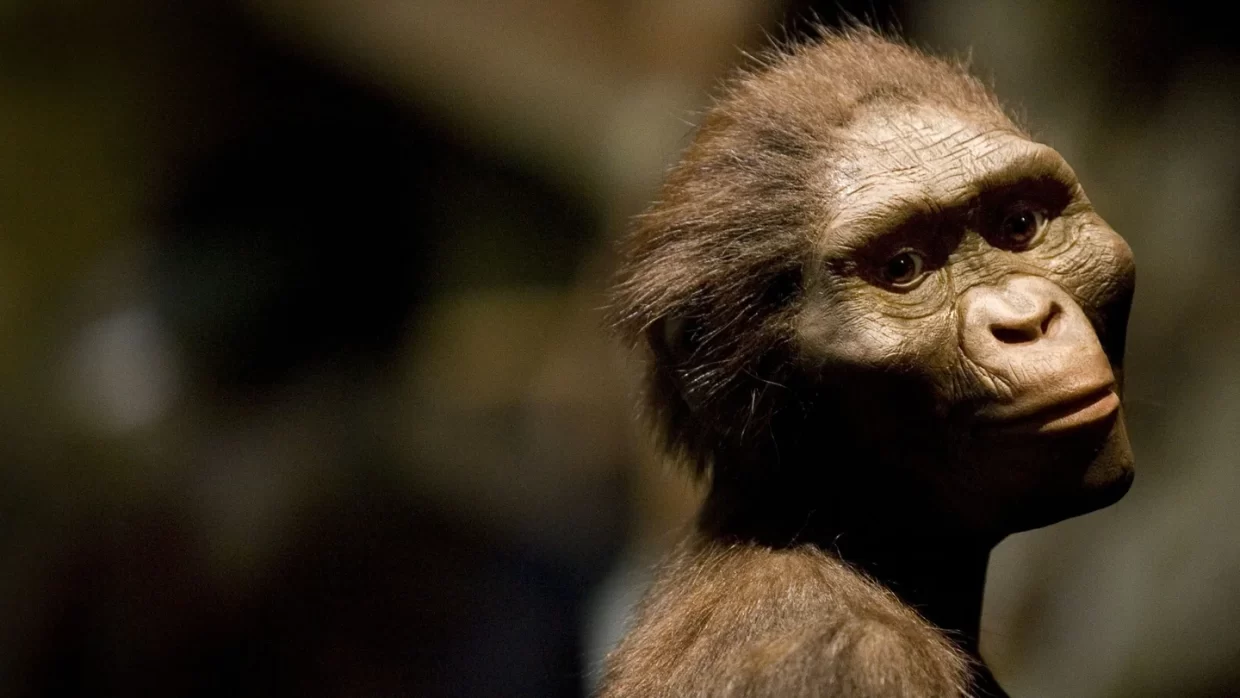
In 1974, archeology experienced a significant breakthrough with the discovery of Lucy in Ethiopia. Lucy is a fossil of a young female Australopithecus afarensis, an ancient hominid species that lived in East Africa 3.7 to 3 million years ago. This finding demonstrated that human-like creatures had been evolving and walking on Earth long before the … Read more